Palace Ruins of the Zhongdu Site in Fengyang, Anhui
Introduction
The Palace Ruins of the Zhongdu Site in Fengyang, Anhui province, represent a significant archaeological and historical site that sheds light on the architectural and cultural advances of the Ming Dynasty (1368-1644) in China. Dating back to the 14th century, these ruins are notable for being one of the most important discoveries in China's rich tapestry of ancient architecture, yet they reflect the culmination of centuries of palace building traditions.
Originally constructed during the early years of the Ming Dynasty, these remnants offer a glimpse into the ambitious plans of Zhu Yuanzhang, the founding emperor of the dynasty, as Fengyang was his hometown. The site is particularly remarkable for its scale and design, serving as a prototype for the palatial arrangements that would later be seen in the Forbidden City in Beijing. Today, the Zhongdu site is recognized for its contribution to understanding the evolution of Chinese royal architecture.
Historical Background
The Zhongdu site was established during a period of significant change and consolidation in Chinese history, under the rule of the Ming Dynasty. This era marked the end of the Yuan Dynasty (1271-1368) and the beginning of a new era of Han Chinese rule. Zhu Yuanzhang, who rose from humble beginnings to establish the Ming Dynasty, sought to commemorate his roots in Fengyang by constructing a grand royal city there. The city was intended to serve not only as a symbol of dynastic strength but also as a political and cultural center. Unfortunately, the full scope of these plans was never realized, leaving behind the partial ruins that are studied today. Despite its incomplete state, Zhongdu's construction reflects the broader historical trends of the time, including the movement towards centralized governance and the flourishing of Chinese art and architecture.
Archaeological Discoveries
Excavation History
The archaeological excavation of the Zhongdu site has provided invaluable insights into the architectural achievements of the Ming Dynasty. Initial explorations began in the early 20th century, but it wasn't until more recent archaeological efforts that the true significance of the site was uncovered. These excavations have been meticulously conducted to preserve the integrity of what remains while revealing the site's extensive layout and design. Researchers have systematically documented the site, mapping out its vast expanse and uncovering various structural elements that hint at the intricacies of Ming-era palace construction.
Significant Findings
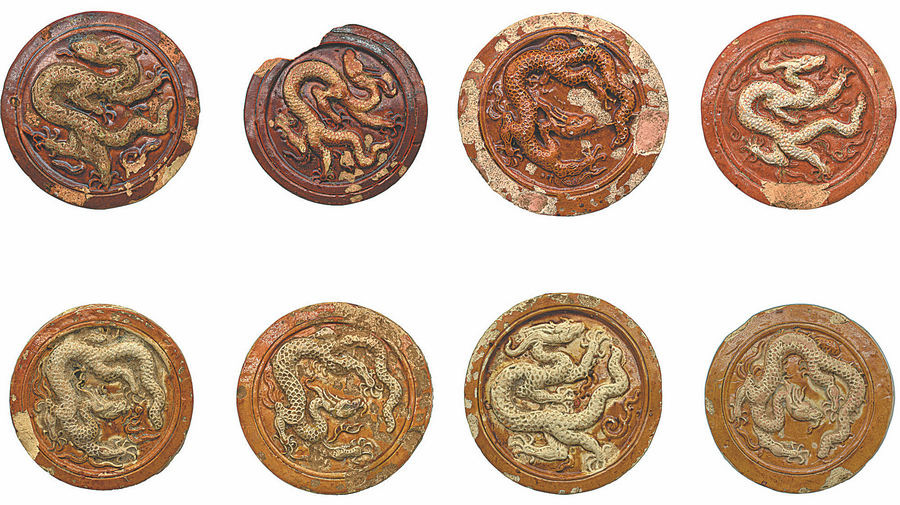
Among the most notable discoveries at the Zhongdu site are the extensive foundations of palatial structures, which demonstrate sophisticated construction techniques and ornamental designs. Archaeologists have uncovered evidence of grand halls, intricate courtyards, and elaborate water systems, all of which highlight the advanced engineering and architectural prowess of the time. Additionally, artifacts such as pottery, coins and remnants of decorative elements provide further context for the cultural and artistic milieu of the early Ming period. These findings have substantially contributed to the understanding of the material culture and societal norms during the dynasty's formative years.
Architectural Features
Layout and Design
The layout of the Zhongdu site is a testament to the grandeur envisioned by the Ming Dynasty's architects. The ruins suggest a well-planned city with clearly defined zones for administrative, ceremonial and residential functions. The spatial organization reflects traditional Chinese urban planning principles, which emphasize symmetry and hierarchical arrangement. The design incorporates large, open courtyards flanked by imposing structures, indicative of a royal city meant to impress and intimidate.
Construction Techniques
The construction techniques observed at the Zhongdu site reveal a blend of traditional methods and innovative approaches. Builders of the time employed advanced masonry techniques, incorporating durable stone and brick materials that have withstood the test of time. Additionally, the use of elaborate joinery and timber framework points to a high level of craftsmanship. The remnants of decorative features, such as glazed tiles and carved stonework, highlight the aesthetic considerations that were integral to Ming architecture. These techniques illustrate the Ming Dynasty's role in advancing construction practices and setting standards for later architectural endeavors.
Cultural Significance
The Palace Ruins of the Zhongdu Site hold immense cultural significance, providing a window into the social, political and artistic currents of the early Ming Dynasty. As a prototype for the Forbidden City, Zhongdu represents an important link in the evolution of Chinese imperial architecture. The site also reflects the Ming Dynasty's emphasis on centralization and authority, with its grand design intended to convey the power and legitimacy of the ruling class. Furthermore, the artifacts and structural remains offer insights into the daily lives and cultural practices of the era, contributing to a richer understanding of China's historical narrative.
Preservation Efforts
Efforts to conserve and preserve the Zhongdu site have been ongoing, with initiatives aimed at protecting its structural integrity and enhancing public accessibility. Conservationists face challenges due to the site's age and exposure to environmental factors, necessitating careful planning and management. Preservation strategies include stabilization of existing structures, restoration of damaged elements and the implementation of protective measures to prevent further deterioration. These efforts are crucial for maintaining the site's historical and educational value, ensuring that future generations can continue to explore and appreciate this remarkable archaeological treasure.








